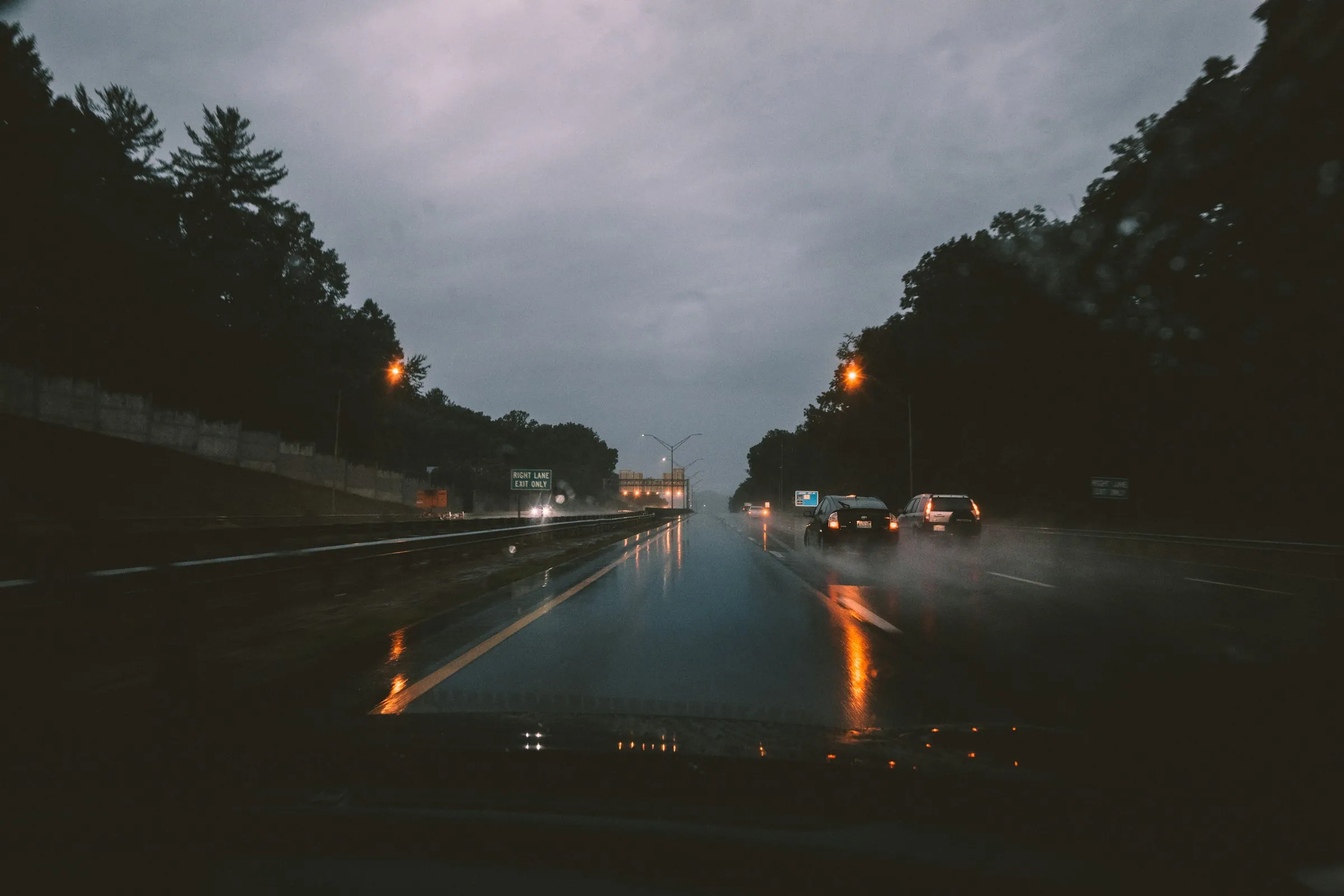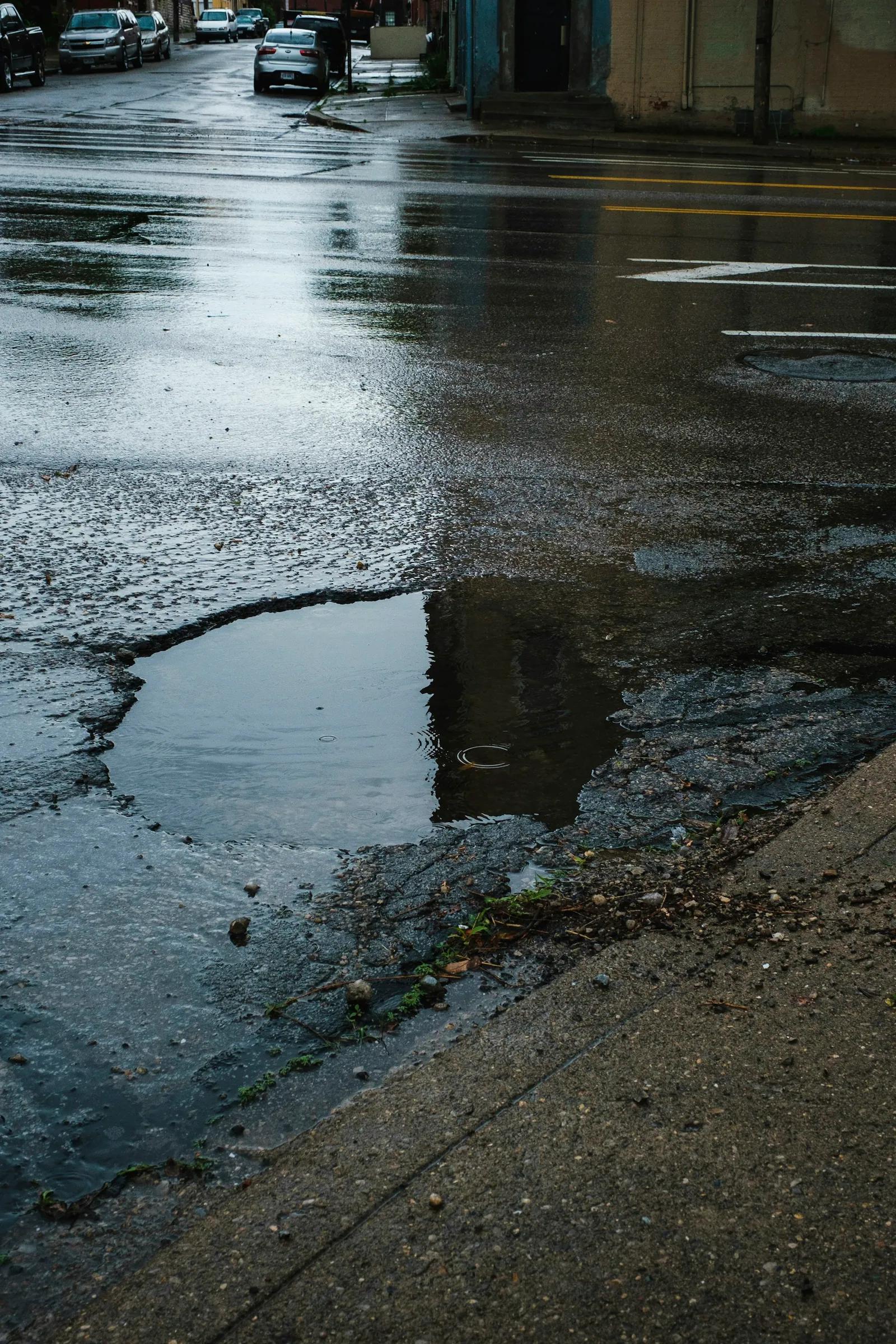
On the day (only if it is safe)
Never stand in a live lane or on a motorway to take photos. If you can do it safely:
- Photos of the pothole, close up, with something in shot for scale: a shoe, a bottle or, best of all, a tape measure
- A wider photo showing the pothole's position in the road, with a landmark (a house number, a junction, a lamp post number)
- The exact location: road name, direction of travel, nearest house number or junction, and a dropped pin on your phone
- The date and time, the weather and the light
- Photos of the damage to the car or bike
- Names and numbers of any witnesses
If you couldn't go back safely, that is fine. Write down everything you remember while it is fresh.
In the days afterwards
- Report the pothole to the authority so it is on record, and keep the reference number
- Get the damage assessed and ask the garage to note that it is consistent with an impact
- Keep every invoice and receipt: tyres, wheels, tracking, suspension, recovery, a hire car
- Keep damaged parts (a tyre, a wheel) until the claim is settled, if you can
- Save dashcam footage before it is overwritten
The evidence you can't collect yourself
Most refusals rely on the authority saying it inspected the road properly. The evidence that tests that is in its files:
- Its inspection policy for that class of road
- The inspection records for the months before your incident
- Public reports of the same defect
- Repair records, showing when the defect was logged and fixed
These are requested under Freedom of Information or the Environmental Information Regulations. Our FOI guide explains how, and we do it for every claim we handle.
What if you have no photos?
You can still claim. A precise description of the location, the repair invoice and the authority's own records can be enough, because inspection records often describe the defect. See how to measure a pothole if you can still get back to it safely.