How it worksPricingCheck your roadGuidesFAQ
ContactLog inStart a claim
Home/Guides/How to measure a pothole

Guide · Evidence

How to photograph and measure a pothole for a claim

The short answer

Lay a straight edge across the pothole and measure from its underside to the deepest point, then measure the width at the widest point. Photograph the tape measure in the hole so the numbers can be read. Depth matters because each authority repairs potholes once they pass its own intervention depth, often around 40mm on roads.

Last reviewed 22 November 2026

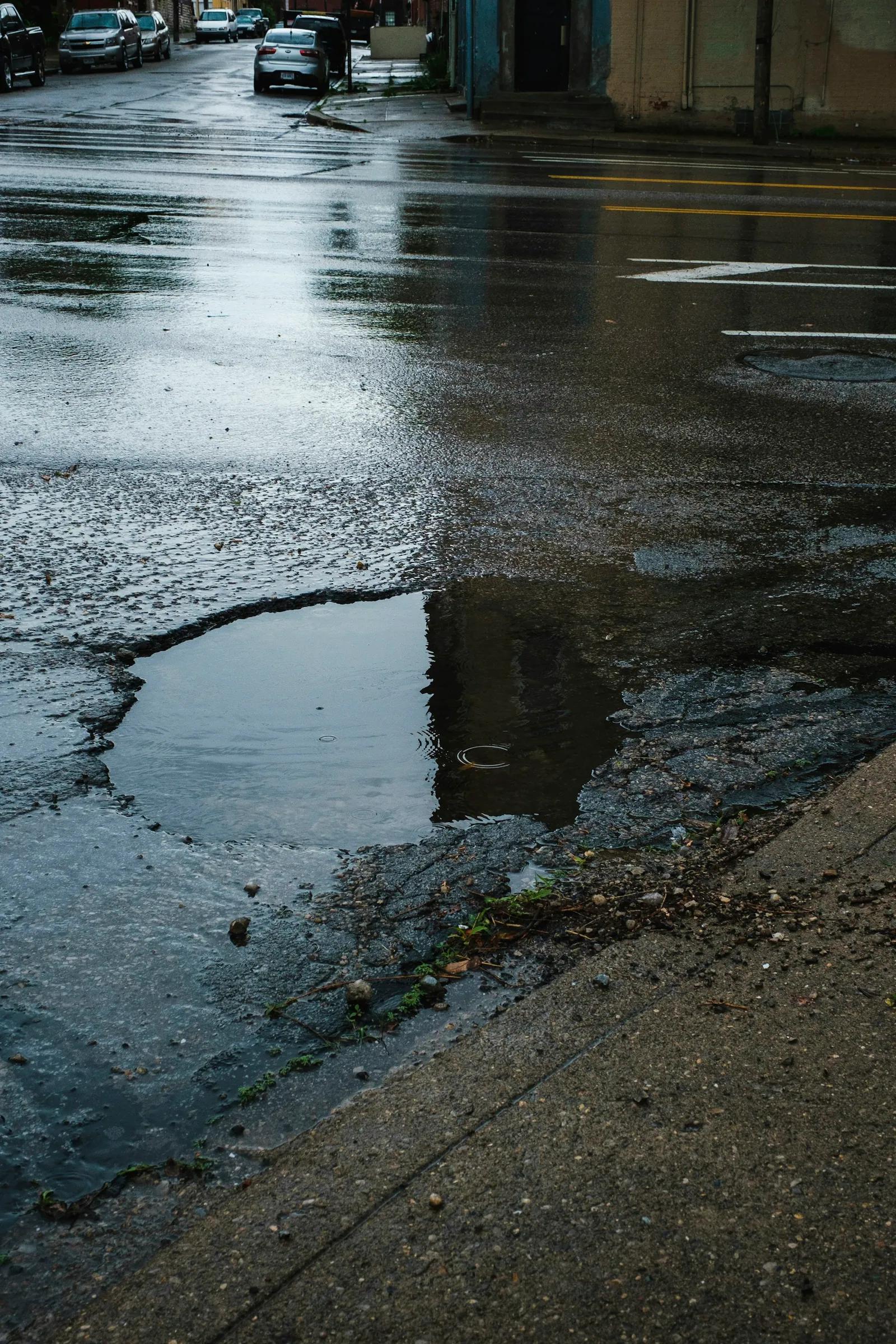
A deep pothole in a tarmac road

Across the UK

Safety first

Only measure a pothole if you can do it without stepping into traffic: a quiet residential street, a lay-by, or a closed road. Never on a motorway or a fast road. If it isn't safe, describe the location precisely and let the authority's records do the work.

What you need

  • A tape measure or ruler (a folding rule is ideal)
  • Something straight and rigid to lay across the hole: a spirit level, a broom handle or a length of wood
  • Your phone, for photos and a dropped pin

Measuring depth

  1. Lay the straight edge across the pothole, resting on the road surface either side.
  2. Find the deepest point.
  3. Measure from the underside of the straight edge straight down to that point.
  4. Photograph the tape in the hole, close enough to read the numbers, with the straight edge in shot.

If the pothole is full of water, measure anyway and note that it was water-filled. Standing water hides depth from drivers, which is part of what makes it dangerous.

Measuring width and length

Measure across the widest point, then along the road. Photograph both. A pothole that is wide enough for a tyre to drop into is usually more dangerous than a narrow crack of the same depth.

Photos that help

  • One close-up with the tape measure readable
  • One with a familiar object for scale (a shoe or a bottle)
  • One wide shot from the pavement showing where the pothole sits in the lane, with a landmark
  • One of the road edge or kerb, if the pothole is at the side of the road

How deep does a pothole have to be?

There is no single national figure. Under the national code of practice, Well-managed Highway Infrastructure (2016), each authority sets its own risk-based policy. Many use an intervention depth of around 40mm on roads, sometimes with a minimum width, and different figures for footways and cycle routes. A shallower defect can still support a claim where, for example, it had a sharp vertical edge, sat on a bend or in a cycle lane, or was part of a cluster.

The authority's policy and its records of the defect are part of the evidence we request on every claim.

  1. 01Safety first
  2. 02What you need
  3. 03Measuring depth
  4. 04Measuring width and length
  5. 05Photos that help
  6. 06How deep does a pothole have to be?

On this page

  1. Safety first
  2. What you need
  3. Measuring depth
  4. Measuring width and length
  5. Photos that help
  6. How deep does a pothole have to be?

0% read

Hit a pothole?

We’ll handle the claim for one fixed fee. You keep 100% of the payout.

Start a claim

Common questions

How deep does a pothole have to be for a council to fix it?

It depends on the authority's own risk-based policy. Many use around 40mm on roads, but the figure varies, and a shallower defect can still be dangerous in some locations.

The pothole has been fixed. Can I still claim?

Yes. The repair itself is evidence that there was a defect, and the authority's records usually show what it found and when it repaired it.

More answers in our full FAQ.

Start a claim

Rather we handled it?

We find the right authority, request their inspection records and pursue the claim for you, all for one fixed fee.

Start a claim

Keep reading

Related guides

All guides
  • Guide · Evidence01What evidence do you need for a pothole claim? A checklistThe evidence that wins pothole damage claims: photos, location, measurements, invoices and the authority's own records, with a checklist you can follow on the day and afterwards.Read more
  • Claim rejected02Council rejected your pothole claim? What to do nextWhy councils reject pothole damage claims, how the Section 58 defence works, how to test it with inspection records, and the options for challenging a refusal or going to court.Read more
  • Cyclists03Bike damaged by a pothole? How cyclists claimHow cyclists claim for a bike, wheels, helmet, clothing and equipment damaged by a pothole in the UK, the evidence you need, and where to go if you were injured.Read more
  • Questions04Pothole claims, answered26 straight answers about claiming for pothole damage anywhere in the UK.Read more

Vehicle damage claims against highway authorities, pursued on your behalf for a single fixed fee.

hello@pothole-claim.co.ukSend a message

Contents

  • How it works
  • Pricing
  • Check your road
  • Guides
  • FAQ
  • Contact

Help

  • Pothole compensation
  • Rejected claims
  • Evidence checklist
  • Time limits
  • Letter before action
  • About us

Roads

  • Pothole claims in Scotland
  • Pothole claims in Northern Ireland
  • National Highways claims
  • TfL claims
  • Pothole claims in England
  • Pothole claims in Wales
  • Councils

Claims

  • Tyre damage claims
  • Alloy wheel claims
  • Suspension damage claims
  • Motorcycle claims
  • Cycle claims
  • Company and lease cars

Pothole Claim

© 2026 Pothole Claim

  • Terms of service
  • Privacy policy
  • Refund policy
  • Cookie policy
Crafted by Niddo(opens in a new tab)

You can claim directly from the highway authority yourself at no cost. Pothole Claim is not a law firm and is not authorised by the Financial Conduct Authority.