What Section 41 says
Section 41 says that the authority responsible for a highway maintainable at public expense is under a duty to maintain it. The courts have long read "maintain" to include repair: keeping the road in a condition that is reasonably safe for the traffic that would be expected to use it.
Since 2003, Section 41 also says the authority must ensure, so far as is reasonably practicable, that safe passage along a highway is not endangered by snow or ice.
What a claimant has to show
To succeed under Section 41, a claimant generally has to show:
- The road is a highway maintainable at public expense (most public roads are)
- It was dangerous: not just imperfect, but a real danger to ordinary users
- The danger came from a failure to maintain or repair it
- That danger caused the damage
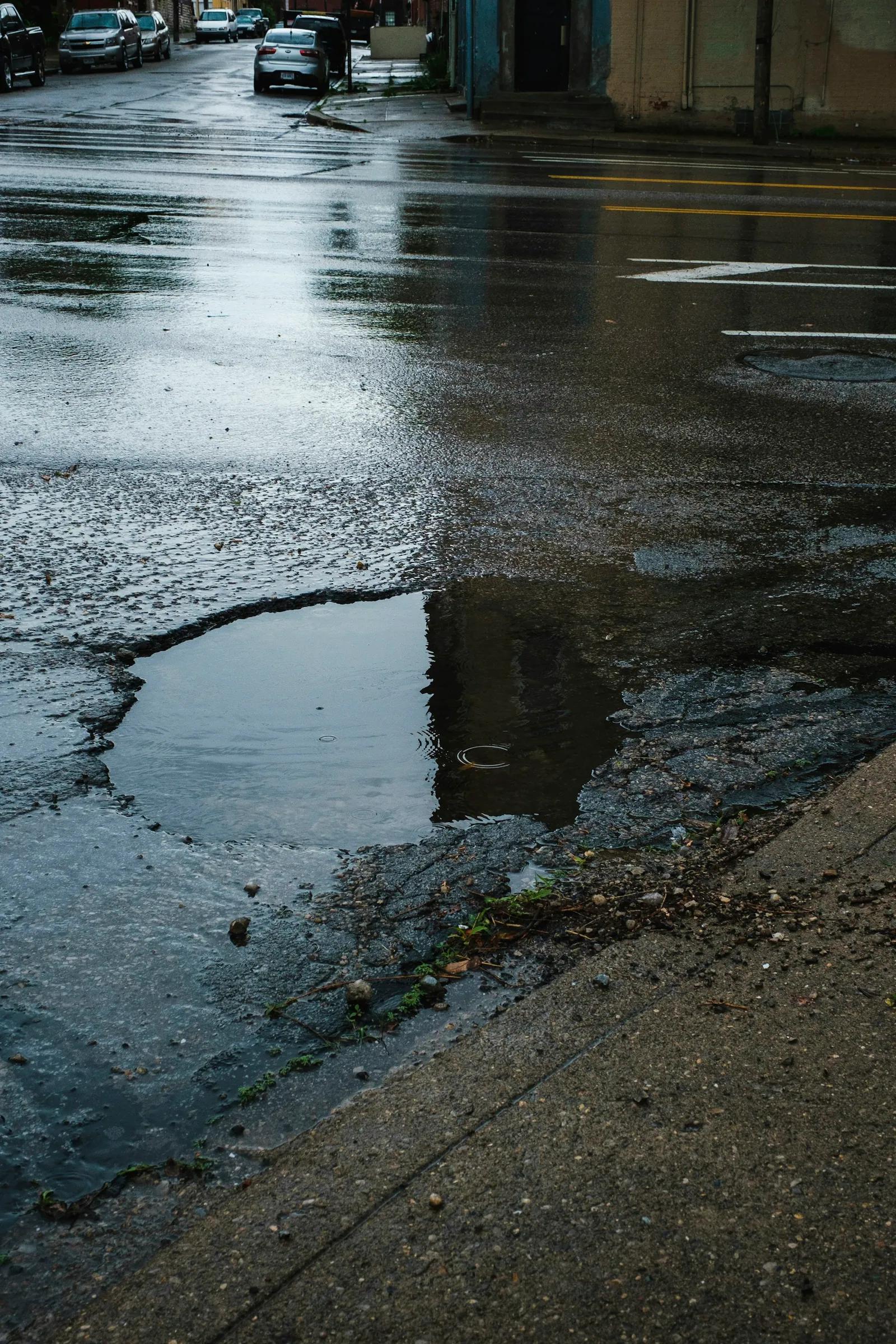
Courts don't expect roads to be perfect. A minor dip or uneven surface isn't enough. A pothole with a deep, sharp edge often is.
Where Section 58 comes in
Even if the road was dangerous, Section 58 lets the authority escape liability by proving it took such care as was reasonably required to secure that the road was not dangerous. The Act lists the things a court considers, including the character of the road and the traffic on it, the standard of maintenance appropriate, the state of repair a reasonable person would expect, whether the authority knew or could reasonably have known of the defect, and any warning notices.
In practice, the authority points to its inspection system: how often it inspects the road, and its records showing it did. That is why the inspection records decide so many claims.
Scotland and Northern Ireland
Section 41 applies in England and Wales. Scotland's roads duty comes from the Roads (Scotland) Act 1984 and Northern Ireland's from the Roads (Northern Ireland) Order 1993. The questions are similar: was the road dangerous, and did the authority take reasonable care? See our pages on Scotland and Northern Ireland.