How to claim for pothole damage in the UK: a step-by-step guide
Damaged your car on a pothole? How a claim against the council, National Highways or TfL works: the evidence to gather, who to claim from and what happens next.
The Pothole Claims team3 min read
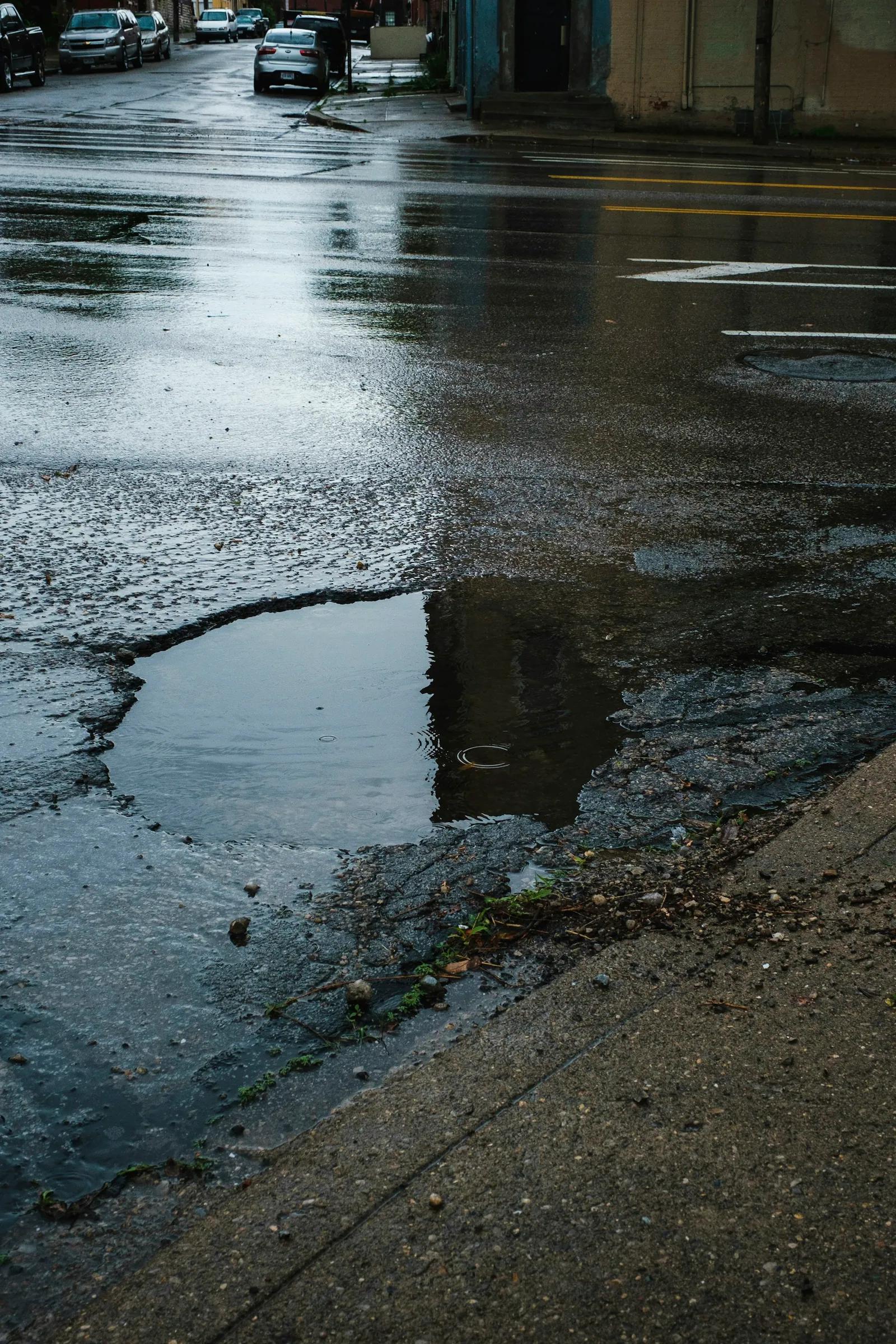
Potholes cause thousands of pounds of damage to UK vehicles every year: burst tyres, cracked alloys, broken springs and knocked-out tracking. The good news is that the authority responsible for the road can be liable for that damage. The less good news is that they don’t make it easy.
This guide walks through how a pothole damage claim works, step by step.
1. Make sure you’re safe
If you’ve hit a pothole hard, pull over as soon as it’s safe. Check your tyres and wheels for bulges, cuts or cracks, and don’t keep driving on a damaged tyre. If you’re on a motorway, use a refuge area or the hard shoulder and call for help rather than inspecting the car beside live traffic.
2. Record the pothole (only if it’s safe to do so)
Good evidence is what wins claims. If you can do it safely (never in moving traffic), take:
- Photos of the pothole, with something in shot for scale. A shoe or a bottle works.
- A wider photo showing where the pothole is on the road.
- The exact location: road name, nearest house number, junction or landmark. A dropped pin on your phone helps.
- The date and time, the weather and the light.
Measurements matter. Many authorities only treat a defect as dangerous once it passes a certain depth, so a photo with a ruler or tape measure in the hole is ideal.
3. Get the damage assessed and keep every receipt
Take the car to a garage or tyre centre and ask for a written report or invoice that says the damage is consistent with hitting a pothole. Keep receipts for:
- repairs, tyres and wheels
- recovery or call-out charges
- reasonable extra costs, such as a hire car or taxis while yours was off the road
4. Report the pothole
Report the pothole to the authority responsible for the road, so it’s on record. In England you can find the right council through the GOV.UK report a pothole service. A report alone isn’t a claim. That’s a separate step.
5. Work out who’s responsible for the road
This trips a lot of people up. Different roads are looked after by different authorities:
- Local roads and most A-roads: your local highway authority (usually the county, unitary or metropolitan council).
- Motorways and major A-roads in England: National Highways.
- Red routes in London: Transport for London (TfL).
- Motorways and trunk roads in Wales: the Welsh Government, through its trunk road agents.
We’ve written a full guide: Council, National Highways or TfL: who’s responsible for the road?
6. Submit your claim
Send the authority a written claim with your evidence: photos, location, date and time, how it happened, the damage and your costs. Keep copies of everything and note the date you sent it.
7. Expect the “Section 58” defence
Most authorities defend claims by arguing they took reasonable care to keep the road safe, usually by showing they inspected it on schedule. This is the Section 58 defence under the Highways Act 1980, and it’s the main reason first claims are rejected.
The way to test it is to request the authority’s inspection and repair records for that stretch of road. If an inspection was missed, or the pothole had been reported and not repaired in time, the defence may not hold. Read more in Section 58 explained.
8. If they say no
A rejection isn’t always the end. You can challenge it with better evidence, ask for the authority’s records, or, as a last resort, take the claim to the small claims court.
Want us to handle it?
That’s exactly what we do. We identify the right authority, request the inspection records, build the claim and handle the back-and-forth, including appeals, for one fixed fee. You keep 100% of any compensation.
This guide is general information, not legal advice.

Start a claim
Rather we handled it?
We find the right authority, request their inspection records and fight the claim for you, all for one fixed fee.
Keep reading